

New York Town is house to a massive restaurant market, with tens of thousands of eating establishments constantly competitive for consumer attention. Amidst that highly competitive culinary landscape, panda harlem has appeared as a notable location for contemporary dining enthusiasts. Recent hospitality data suggests that experiential dining has become significantly vital to overall client satisfaction, driving significant base traffic to innovative sites throughout the city. This short article considers the information and frequently requested issues bordering this excellent dining establishment and the broader trends it represents.
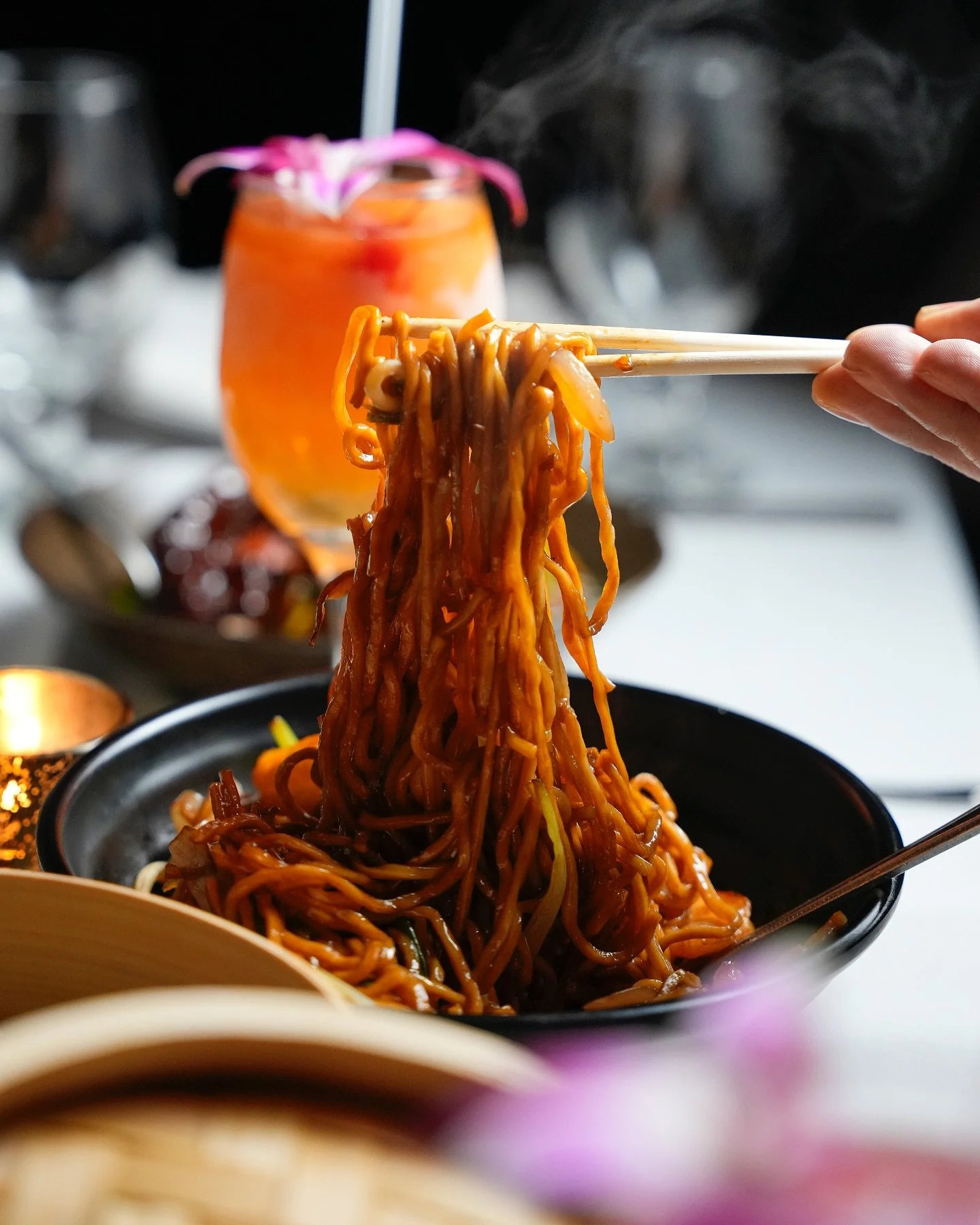
What do recent dining statistics show about contemporary eateries?
The restaurant business is experiencing a massive shift in consumer behavior. According to new hospitality surveys, around 78 % of millennials choose paying their disposable money on an unique experience rather than getting product goods. Venues that effectively mix ethnic beauty with contemporary culinary practices currently visit a 25 % higher client retention rate in comparison to traditional dining models. Establishments that prioritize the general atmosphere along with the food are capturing the greatest reveal of the existing market.
How can contemporary possibilities align with recent customer tastes?
Diner choices have moved seriously toward visibility and discussed experiences. Market information implies that 65 percent of contemporary diners positively search for eateries that employ domestically sourced components and sustainable practices. More over, the concept of public dining is on the rise. Requests for shareable dishes and tapas-style meals have experienced a 40 percent increase across urban dining displays within the last three years. That shift allows patrons to taste a wider number of taste profiles throughout an individual visit, increasing both the average check measurement and overall client satisfaction scores.
What do reservation metrics show about client need?
Understanding wait situations and table turnover is vital for restaurant management. In highly sought-after New York Town locations, the typical dining duration rests at approximately 90 minutes per table. Reservation analytics reveal a 30 % spike in booking requirements from Thursday morning through Saturday evening, requesting thoughtful table management. Restaurants handling these peak hours efficiently frequently employ advanced booking computer software to cut back walk-in delay instances, which directly correlates with larger good evaluation quantities on key standing platforms.
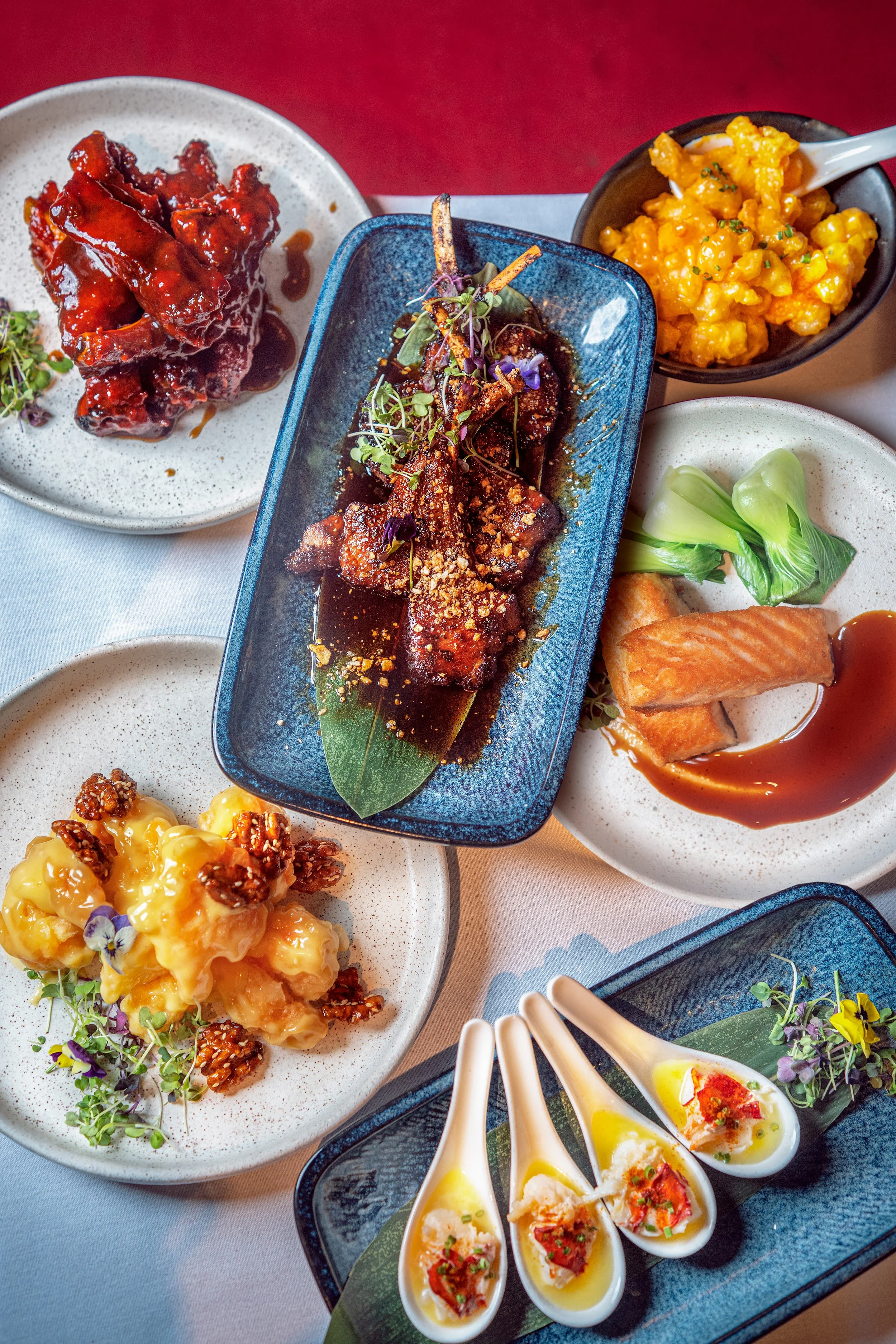
Why are visual beauty important to restaurant success?
Interior style is no further merely a history factor; it is a major driver of marketing success. Eateries offering specific, very curated inside designs report a 45 per cent upsurge in social media involvement from their patrons. User-generated material, such as images and films shared by visitors, functions as natural electronic marketing. A visually desirable environment encourages guests to report and reveal their experiences, efficiently lowering the restaurant's required advertising spend while concurrently increasing their digital reach.
Understanding the Future of Experiential Food
The info clearly traces a fresh period of hospitality where food quality and environmental design hold equivalent weight. Customers are greatly driven by the want for authentic, creatively engaging, and culturally wealthy food experiences. Restaurants that properly analyze and adjust to these behavioral statistics are well-positioned for long-term growth. If you should be interested in watching these modern eating traits doing his thing, planning a stop by at an revolutionary regional establishment presents an ideal chance to see the data taken to life.